
How to View Machining Marks (Tool Marks) | Processing Marks Left on Machined Lighting and the Character of Metal
Why We Leave Tool Marks
When you think of metal products, you may feel that polishing the surface to a flawless finish is
“complete.”
In fact, beautifully finished surfaces such as uniform hairline or mirror finishes have their own appeal.
On the other hand, CTSH deliberately incorporates a finish that leaves tool marks.
Tool marks are the traces left by tools as they cut the metal.
They can be described as “traces of craftsmanship” that appear specifically because of the machining process.

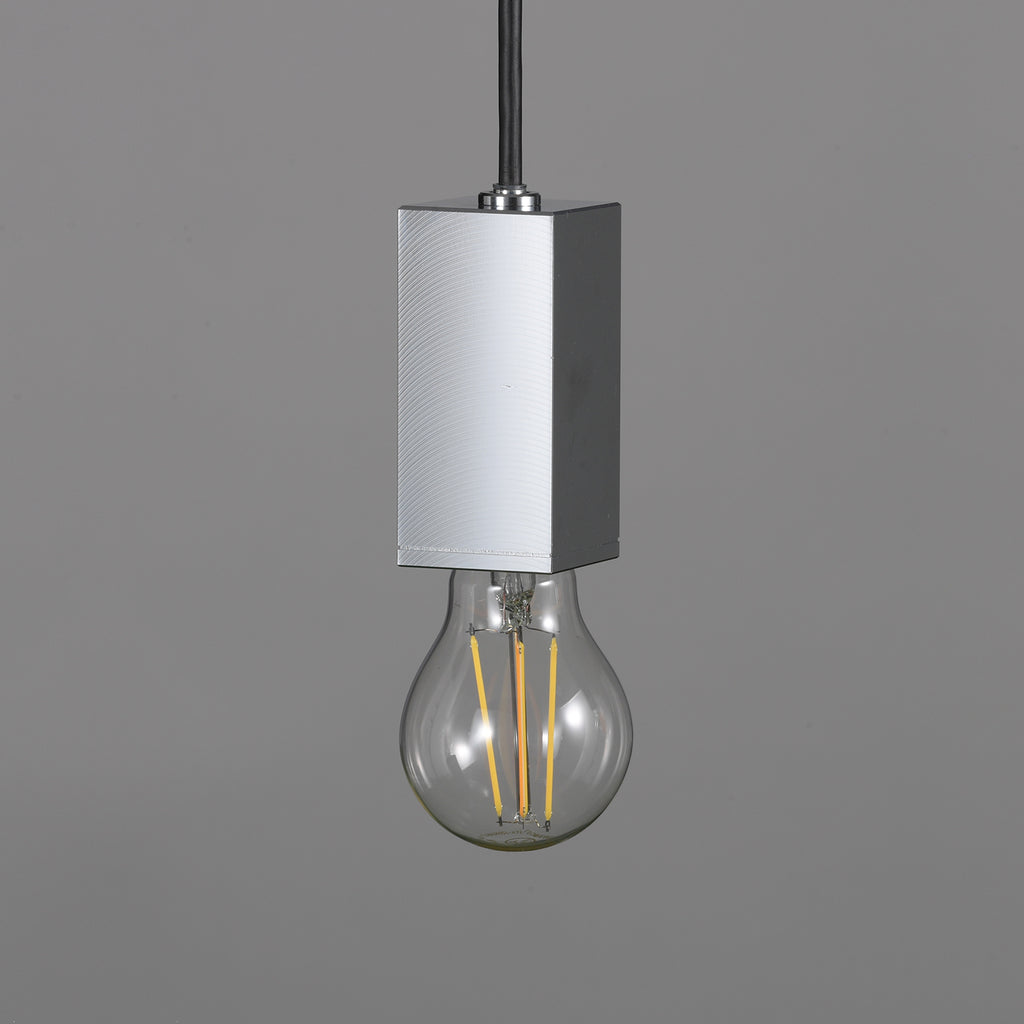
*The faint lines visible on the surface of the chrome are the tool marks.
The reason we deliberately leave these marks, which would normally be removed,
is that we want you to experience the texture unique to machining as it is.
It is by no means a rough finish, but rather a
“refined irregularity” that is made possible through precision machining.

Tool marks are a charm that can only be achieved through machining.
I personally really like this “material feel.”
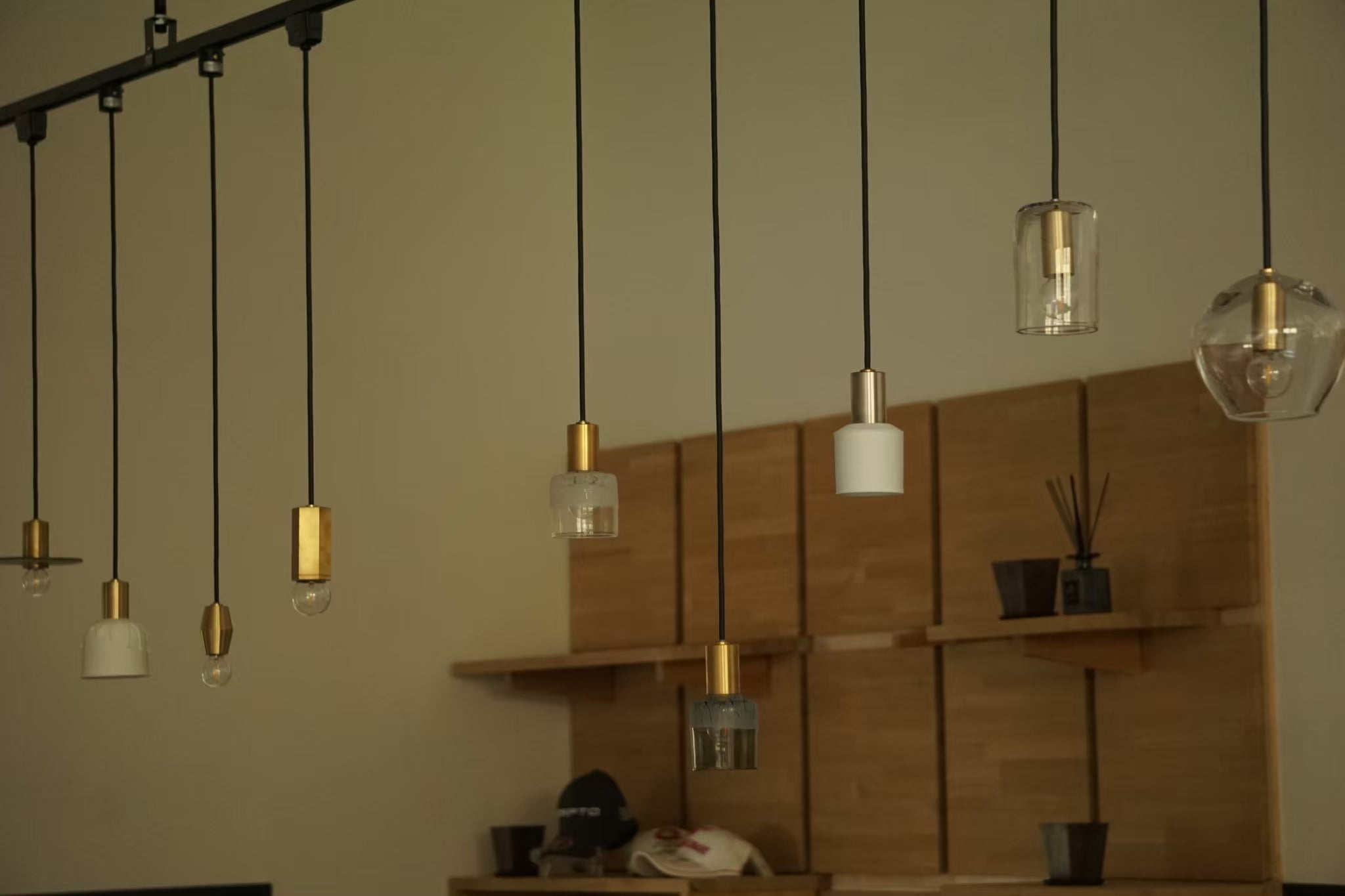
Tool marks are actually left on products other than pendant lights as well.
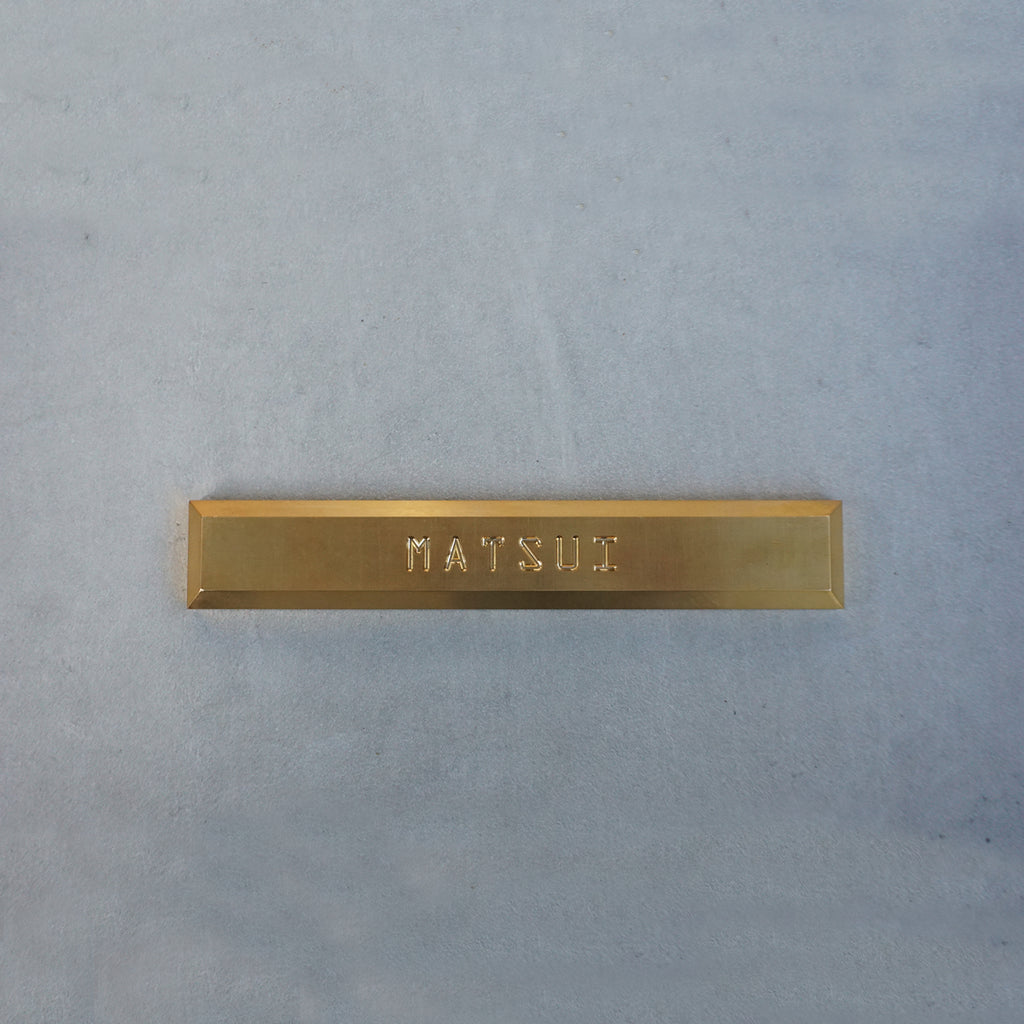
In addition to lights, CTSH sells nameplates and other goods.
In particular, for nameplates, customers specify the text, which is then machined from the material.
We leave the tool marks created during this process unless they are overly conspicuous.
*If they become too noticeable, we make corrections.

A texture created not by finishing everything uniformly, but by deliberately leaving these marks.
We hope you will enjoy these traces, which appear only through machining, as another part of the product's appeal.
Recommended by CTSH