White Walls Are "Light Amplifiers"
White walls are the most common in Japanese homes. Because white reflects all light equally, it softly spreads the light from fixtures throughout the room. The charm of white walls lies in their clean appearance and their ability to vividly highlight the texture and shape of objects. They are ideal for making a space look brighter and more spacious.

Dark Walls Are "Light Frames"
Dark-toned walls in navy, gray, and charcoal have recently become popular. Because these colors absorb light, only the areas illuminated by the light appear to stand out.
Dramatic contrast: The lines of light cast by the edges stand out sharply against the dark background.
Enhanced texture: The delicate shadows created by the contours of materials and finishes can be observed more deeply and beautifully against a dark wall.

Here's the key!
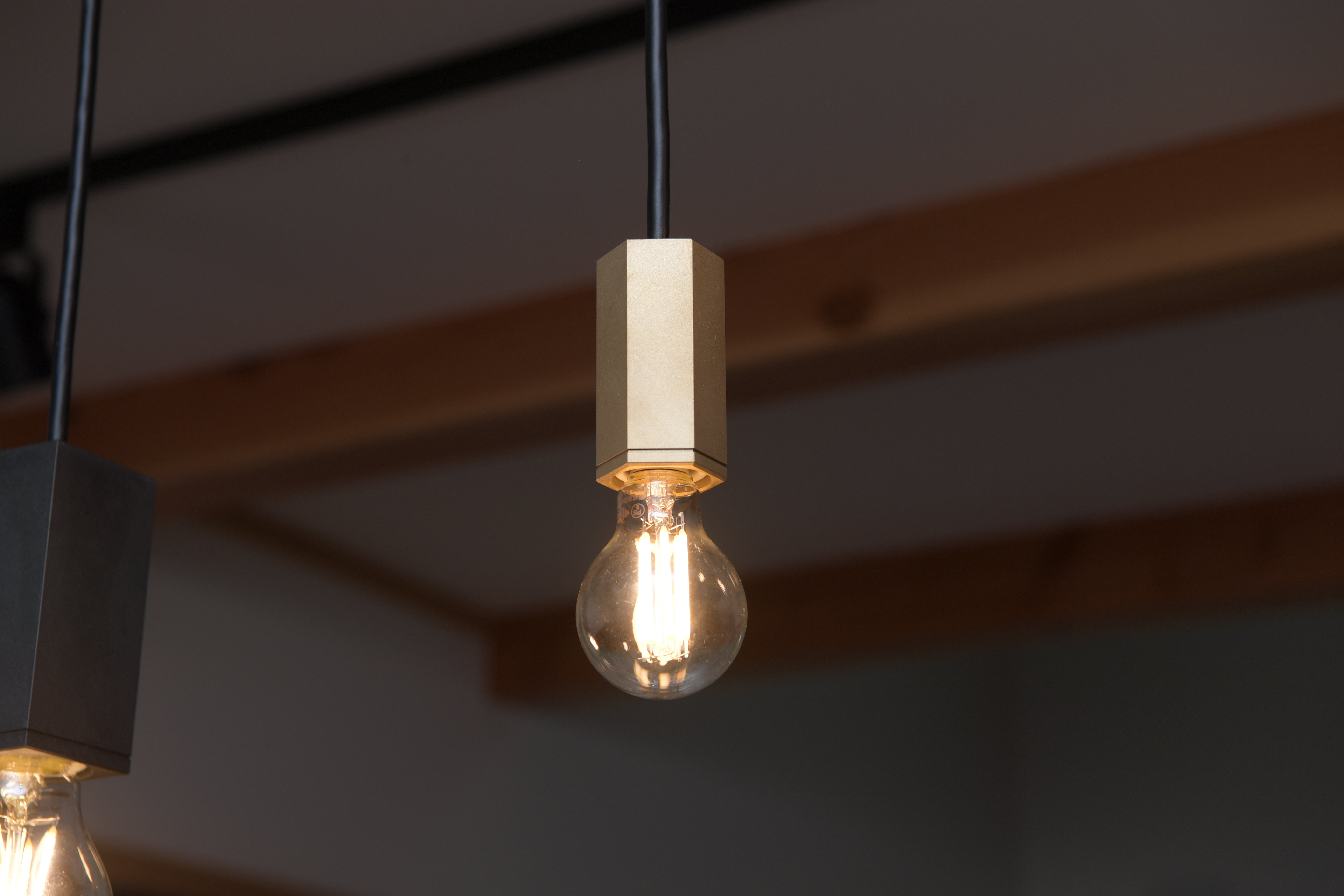
The "color cast" of reflected light: For example, placing brass in a space surrounded by wood allows the color of the wood to blend with the light, creating a deeper amber-hued space. Conversely, in an inorganic setting such as a concrete wall, the cool light of stainless steel creates a dignified silence.
The magic of texture: Try shining light horizontally or from below onto a textured wall, such as a plastered wall or EcoCarat. The reflected light from the brass picks up the wall's subtle highlights and shadows, transforming a flat wall into a rich, expressive piece of art.

Enjoy the combination of walls and light
When choosing a light fixture, try imagining what kind of wall you want that light to shine on. Simply changing the distance from the wall by a few centimeters can dramatically alter the intensity of the reflection. Why not find the place where your room's walls will receive the light of CTSH most beautifully?