What Are E17 and E26 Base Sizes? Sizes to Check and How to Choose When Selecting Light Bulbs
Here is information about E17 and E26 light bulb and socket standards.
“E17” and “E26” are standards that indicate the base size of a light bulb
The light bulb base sizes commonly used in Japanese homes and stores areE17andE26.
E is said to be derived from the inventor Thomas Edison and is a symbol based on the first letter of his name.
17 and 26 represent the diameter of the base (the threaded part that screws into the socket).
In other words, E17 has adiameter of 17 mm, while E26 has adiameter of 26 mm.
Generally, the light bulbs and corresponding pendant lights tend to be larger for E26 than for E17, in proportion to the base size.
On the other hand, brightness itself is not determined by the base size, but by the light bulb’s specifications (lumens).

About “Lumens (lm),” a Measure of Light Bulb Brightness
Light bulb brightness is expressed in units called lumens (lm).
The higher the lumen value, the brighter the light bulb.
As a general guideline for choosing light bulbs, one tatami mat area is typically considered to require
400–600 lumens in a living room and300–400 lumens in a bedroom.
However, lighting design is not a simple matter of addition.
Please use these figures only as a reference.
It is important to consider the entire space comprehensively, including other light sources such as downlights.
The basic approach to choosing lighting is to create a slightly dim base and add light where needed.
If you have any concerns about the overall brightness of your room, please feel free to contact us.
We will provide guidance to help you choose the right lighting while taking into account the overall balance of the space and the installation environment.

About Light Bulb Color Temperature
Light bulbs are broadly available inwarm white, soft white, anddaylight colors.
These are expressed in units called Kelvin (K).
The lower the value, the warmer the color; conversely, the higher the value, the cleaner and cooler the color appears.
・Warm white: A warm color similar to a sunset or candlelight
Approximately 2,000–2,500 K (Kelvin)
・Soft white: A soft, natural color reminiscent of sunrise
Approximately 3,500 K (Kelvin)
・Daylight: A clean color similar to midday sunlight
Approximately 6,500 K (Kelvin)
At CTSH, ourwarm white LEDscome standard, and we also offer warm white light bulbs for sale.
If you prefer a cooler color, please refer to the above and purchase a separate light bulb.
Differences Between Clear and White Types
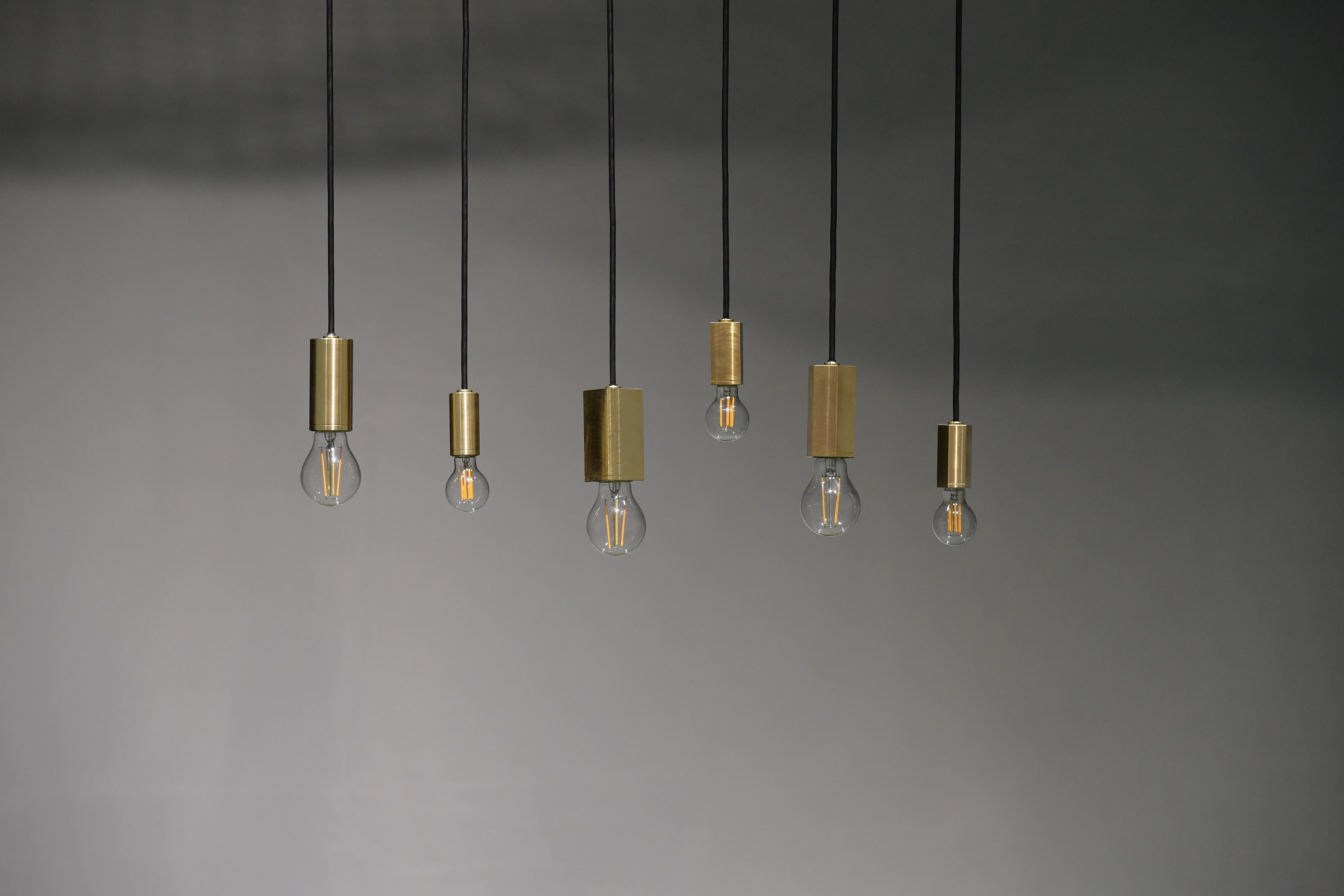
Clear-typelight bulbs allow you to enjoy the beauty of the bulb itself by revealing the filament.
On the other hand, because the light source is more visible, you may need toinstall it at a height that is out of direct view.
White (milky white)light bulbs are designed to minimize the reflection of the filament’s shadow and diffuse the light softly.
They are ideal for creating a gentle lighting effect.
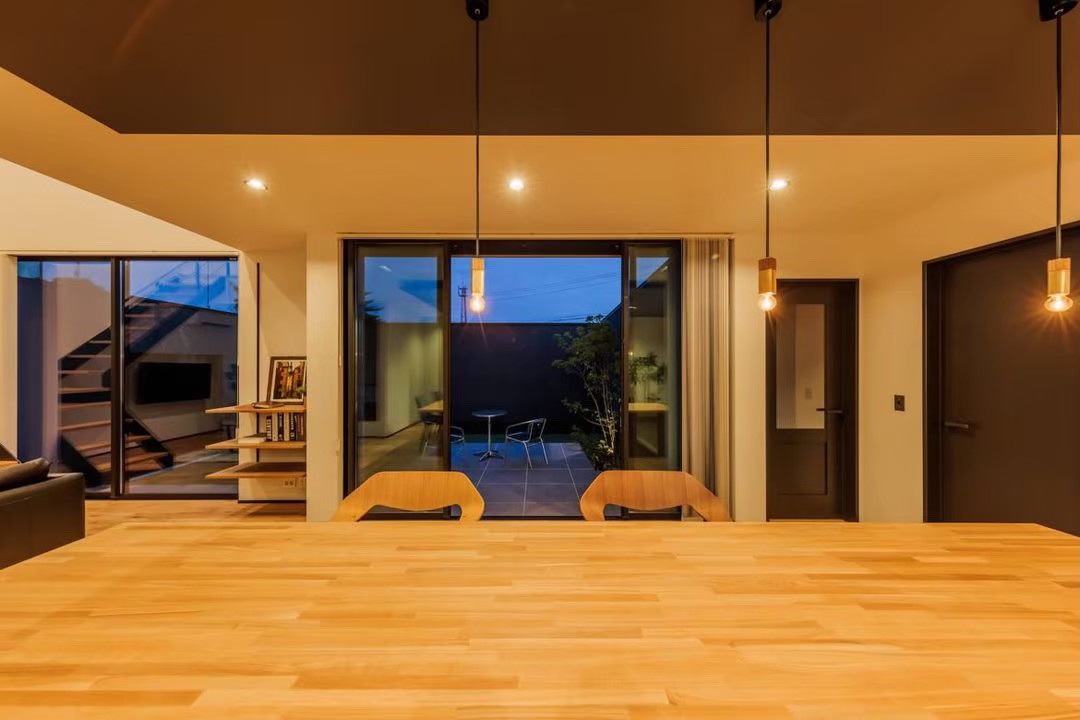
CTSH LIGHT. Fixtures Used in This Space