Mastering Shadows: A Complete Comparison of 3 Types of Light Bulbs
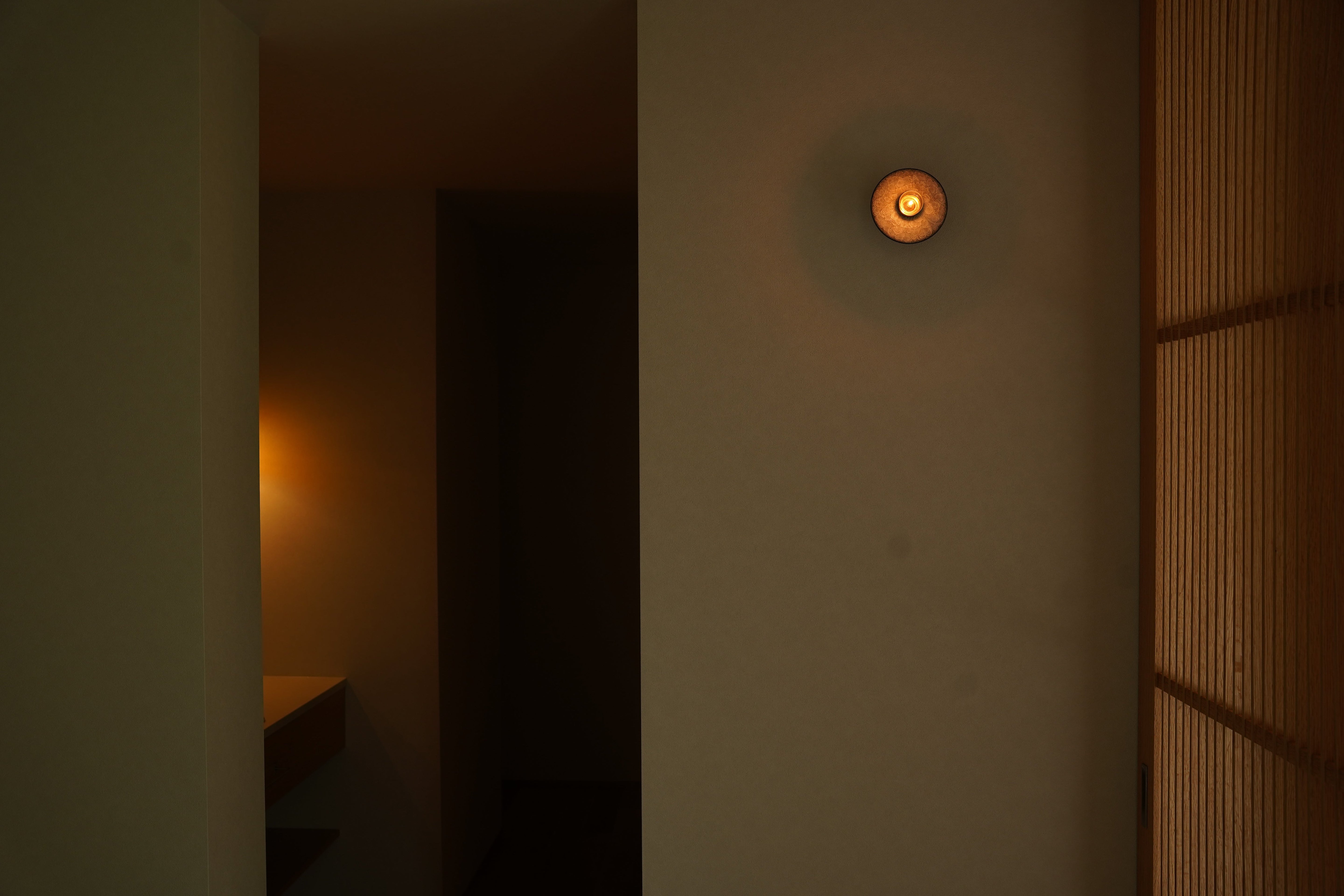
A single light bulb can transform the atmosphere of your room like this
Let's talk about the difference in shadows created by the type of glass used in light bulbs, something that is surprisingly easy to overlook.
Clear Bulbs
Enjoy sharp, defined shadows
Features: Produces strong shadows with clearly defined outlines.
Recommended: When you want to clearly project the sculptural beauty of brass onto the wall, or add asparkling, glamorous touchto the space.

Opaque (White) Bulbs
Wrap the room in soft light.
Recommended for pendant lights without shades.
Features: The boundaries of the shadows become blurred, givingthe entire space a soft, gentle impression.
Recommended: In spaces like bedrooms where you want to reduce glare and create a calm, relaxing atmosphere.
:Pendant lights where the bulb is not covered by a shade.
Even when placed close to eye level, the glare can be reduced.

Mirror Bulbs
Control the direction of the light
"Mirror bulbs" have silver-coated tips that reflect the light and direct it toward the "back side."
Features: The light source is not directly visible, illuminating only the inside of the shade to createan "indirect lighting"effect.
Recommended: When you want to illuminate the table while reducing glare, or emphasize the texture inside the shade. When attached to a wall sconce and you want to intensify the light directed toward the wall.

Here's the key!
Material texture: Clear is best for emphasizing the "gloss" of brass, opaque for showcasing a matte "bead-blasted finish," and mirror for creating deeper shadows.
If you choose based on "what kind of shadows you want to project on the wall," the possibilities for lighting will expand even further.
Mirror bulbs are excellent because they are "not glaring yet keep the work area bright." When combined with CTSH brass shades, the reflections of the metal blend together in a more complex way, creating a very alluring glow.
3 Types of Bulbs