Why You Need Low-Kelvin Lighting in the Bedroom Prepare for a Good Night's Sleep with the Right Light Color, Not Just Brightness
Thank you for always choosing CTSH LIGHT. Today, we're talking about "Kelvin (K)," a measurement that is very important for a healthy night's sleep.
What Is Kelvin (K)?
Kelvin is a measurement of light color: the lower the number, the warmer and more orange the light, while higher numbers produce a cooler, whiter light.
-
2000K–2700K: A warm "incandescent" glow, like candlelight or a sunset.
-
5000K and above: An active "daylight" white, like the light under a clear blue sky.
Why Lower Kelvin Levels Are Best for the Bedroom
Cool, white light during the day switches your brain into active mode. However, continued exposure to this light before bedtime can suppress the production of melatonin, the sleep hormone, and trick your brain into thinking it's still daytime. By incorporating low-Kelvin lighting around 2200K–2700K into your bedroom, your brain can naturally switch to rest mode, helping you fall smoothly into a deep sleep.
Key Tips!
-
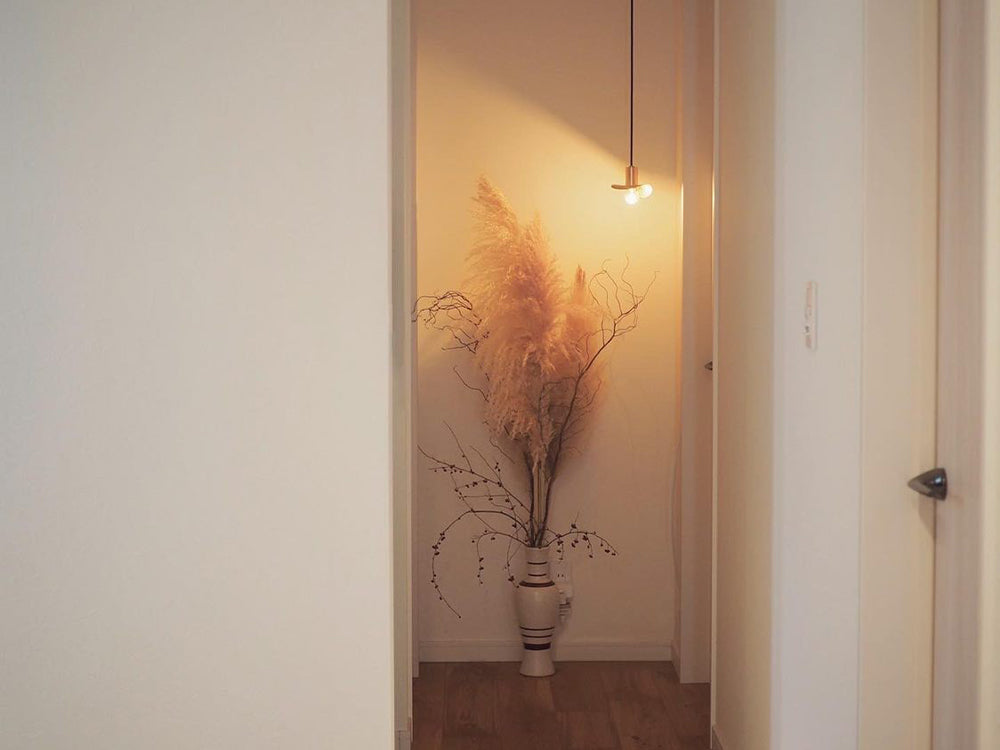
The Harmony of Brass and "Sleep-Friendly Light": Warm, low-Kelvin light brings out the deepest, most beautiful golden tones in brass. By softening the coldness of the metal and bringing out the warmth of the material, this color is ideal for a bedroom where you can unwind after a long day.
-
Arrangement to Reduce Glare: In the bedroom, it's also important to avoid looking directly at the light source. Covering the bulb with a brass shade or hanging the light low, combined with a low Kelvin level, creates a gentler atmosphere.
Recommended Combinations
For your bedroom side table or bedside area, try choosing an exceptionally warm bulb around 2200K. The soft reflected light from the brass will lull you into a comfortable sleep.
Simply changing the color of your light can transform your bedroom into a more deeply relaxing space.